Personality and Healthy Aging: What Research Can Tell Us
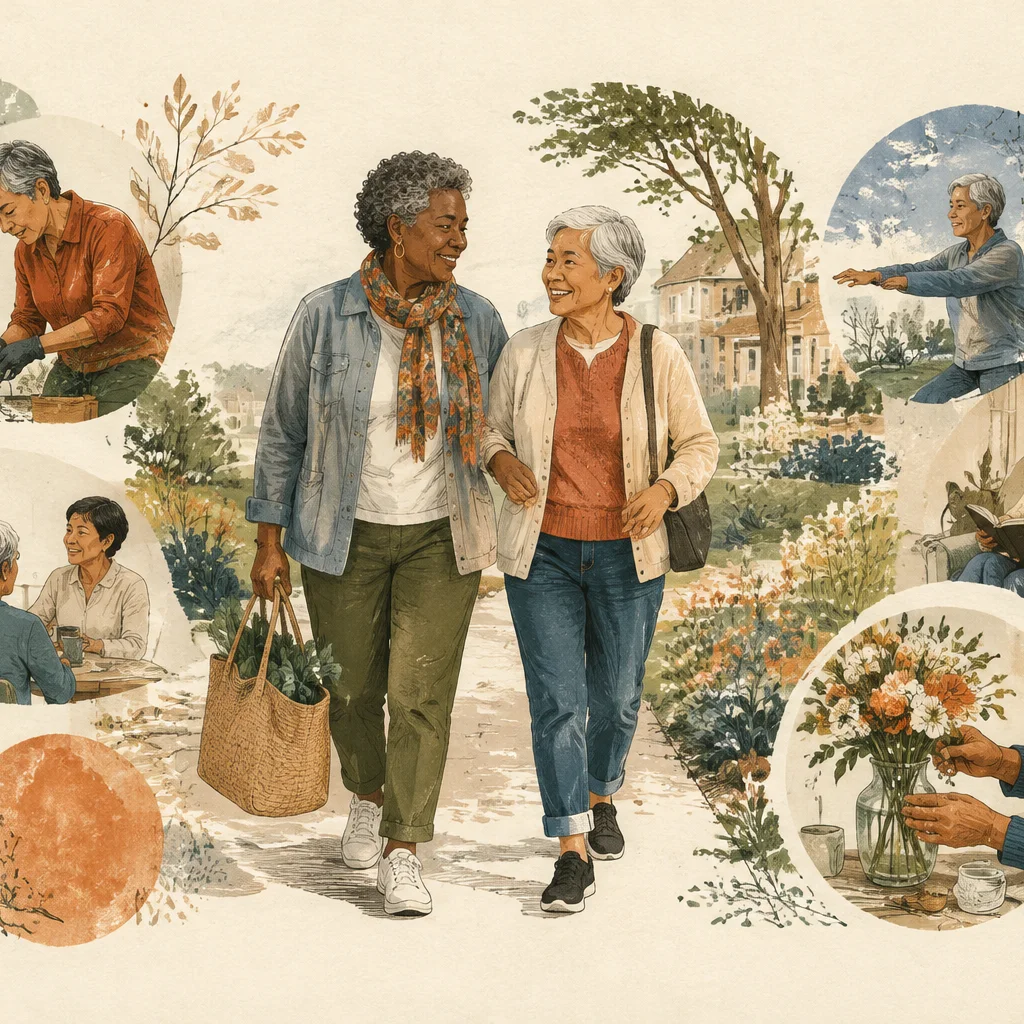
Studies have found that personality traits, especially conscientiousness, are associated with health-related behaviours and some long-term outcomes. That is an interesting research finding—not a personal medical forecast. Health is influenced by access to care, income, relationships, environment, genetics, illness, and many choices that are not captured by a personality score.
Why conscientiousness appears in health research
Conscientiousness includes tendencies such as planning, reliability, and follow-through. On average, these tendencies can make it easier to keep appointments, prepare meals, follow a treatment plan, or maintain a regular routine. Researchers often describe behaviour as one pathway linking traits and later outcomes.
That word—pathway—matters. A trait is not a cause that acts alone. A person who struggles with organization can use reminders, pharmacy delivery, a friend’s support, or a simpler routine. A highly organized person can still face health challenges that no amount of planning prevents.
Read health claims with care
When a headline says a trait “predicts” health or longevity, check what it actually measured. Was the study observational? How long did it follow participants? Did it account for smoking, income, existing illness, and access to care? A correlation can identify a useful question without proving that one trait caused an outcome.
Be particularly cautious with claims that a personality test can diagnose disease, estimate your lifespan, or tell you which treatment to choose. It cannot. For individual medical concerns, a qualified health professional is the right source of advice.
Use insight to support—not pressure—health habits
Personality can still help with practical design:
- Prefer planning? Put preventive appointments and medication reminders in one calendar.
- Prefer variety? Rotate meal ideas or types of movement while keeping the cue consistent.
- Feel overwhelmed by large goals? Start with a single question for your next healthcare visit.
- Rely on connection? Invite someone to join a walk or help you remember an appointment.
The aim is not to become a different person. It is to make supportive actions easier in the life you actually have.
A humane takeaway
No trait makes someone more deserving of health. Research averages should never be used to blame people for illness or to make decisions about their care. Treat personality information as one small input for self-understanding, alongside evidence-based healthcare and the realities of your circumstances.
Read personality and habit building for behaviour-design ideas and how personality changes across adulthood for the long view.
Use a score carefully
You can take the Big Five test as a prompt to notice what makes a healthy routine easier or harder, but do not use it to evaluate symptoms or change treatment. For health decisions, rely on qualified clinicians and evidence-based guidance that accounts for your individual history.